Buying a QuickJack? Check More Than the Weight Rating.
At 44, I bought a QuickJack to work smarter in the garage I actually have. My first setup, the comment debate and why fit, safety and storage still matter.
I spent $2,705 on a QuickJack 8000TL, and my first lift nearly became a very expensive dropped Corvette story.
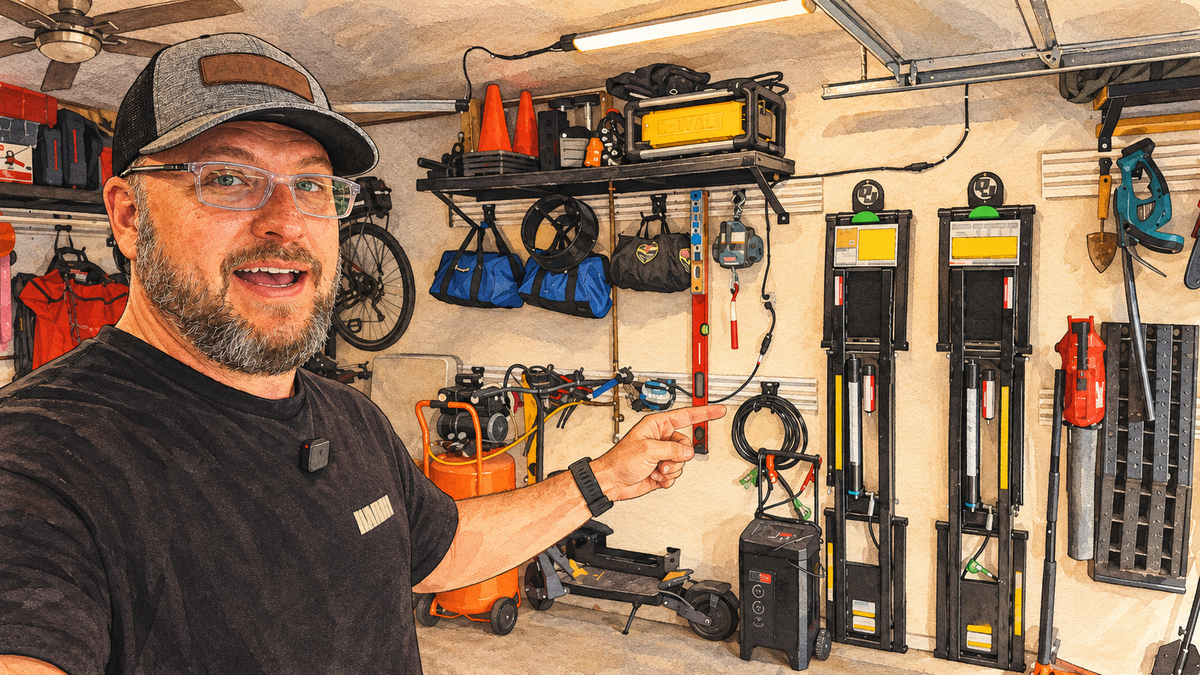
In my September 8 video, I documented the purchase, setup, bleeding trouble, another round of bleeding and the success that followed. I also installed wall storage for the frames and accessories.
Why I finally bought them
I'm 44, and I've spent decades working on cars. That started in snow-covered driveways in Buffalo, New York, continued in 115-degree apartment carports in Phoenix, and eventually moved into a garage here. At some point, continuing to do everything the hard way started to feel dumb. I was working harder than I needed to.
I want to keep my body in shape and still be wrenching into my 60s. For me, that means getting smarter about material handling now, not waiting until moving everything around becomes the reason I stop enjoying the work.
That is also why the comments comparing QuickJacks with a full-size lift only tell part of the story. A different lift might make more sense for somebody else's space and jobs. I live in an HOA. I can't just build a 100-by-50-foot shop in the backyard and put a four-post lift in it. I was buying for the garage I actually have, not the shop I wish I had.
The weight rating is only the first question
An 8,000-pound label sounds reassuring. It still doesn't tell you whether the frames and blocks can reach the right places under your car.
QuickJack's measuring guide considers vehicle weight, tire spread, lifting-point spread and ground clearance. Those are different questions. A lift can have enough capacity and still be the wrong physical fit.
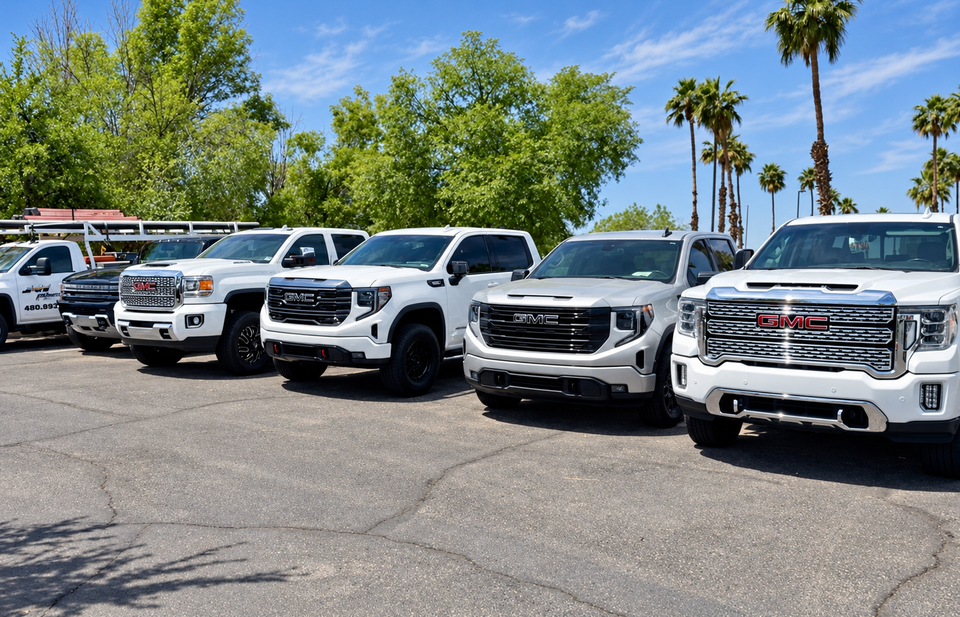
That matters when the needs include something as low as a Corvette and something as different as large as a full-size truck.
Setup is part of the purchase
A lot of people said I had the QuickJacks backwards because the Corvette’s engine is in the front. What they missed is that the C6 Corvette has roughly 50/50 front-to-rear weight distribution. A front-mounted engine doesn’t automatically mean a car is front-heavy.
In my case, the uneven lifting was corrected after I bled the system again. That said, don’t assume your car has the same weight distribution. Read the manual for your QuickJack model and follow its setup instructions, especially if you don’t know how your vehicle’s weight is distributed.
Give yourself time to assemble the lift, bleed the system and learn how it works. If something doesn’t look right, stop and figure it out before you put the car in the air.
Read the requirements that aren't in the sales pitch.
QuickJack's current safety warnings require proper contact with the vehicle manufacturer's lifting points and both mechanical lock bars securely engaged before anyone approaches or works underneath. They also call for additional jack stands as an added precaution.
The working area matters too: a suitable dry, flat supporting surface, space around and above the vehicle, and clearance for the movement that happens as the lift rises. Follow the instructions for your specific equipment and vehicle. This is not the place to improvise from a comment section.
Where does it live when you're done?
Wall storage was part of my original video for a reason. A garage tool has two jobs: help while you're using it and avoid becoming an obstacle the rest of the week.
The storage comments raised another practical question: how much work am I creating every time I put these away? That fits the whole reason I bought them. Getting the car up more conveniently is only part of the benefit if handling the equipment becomes its own workout. Follow the hanger instructions and mounting requirements, not a guess about what a screw should hold.
Before ordering, work through the entire routine. Where will the frames, hoses and power unit go? Can you move and position the equipment comfortably? Does your plan leave room for the work you bought it to do?
I didn't buy these because I had forgotten how to use a floor jack and stands. I bought them because I want to keep doing my own work without making every job harder than it needs to be. For me, the buying decision has to account for the whole routine: the vehicle, the setup, the work, the storage and the person moving it all.
Watch the original setup
The video below includes my first setup and troubleshooting, rather than a polished demonstration that skips the frustrating parts. Its description includes affiliate links; purchases through those links can support the channel.