I Cut Open Ram’s ‘Plastic’ Control Arm. It Changed My Mind.
The outside looked cheap. Cutting open Ram’s upper control arm revealed more steel than I expected, and a better question for buyers than whether it looks plastic.
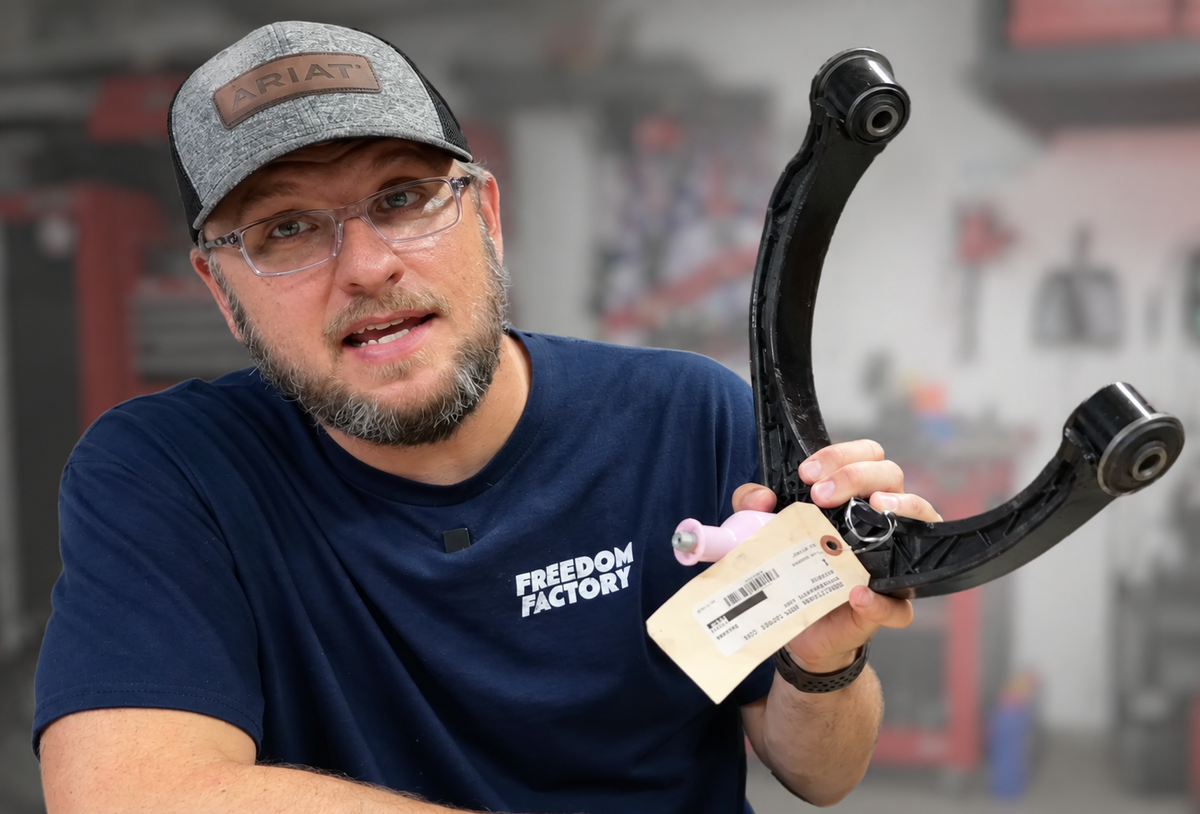
Like most people, I didn’t like the look of Ram’s “plastic” upper control arm. It looked like another example of a $75,000 truck being made cheaper to line the pockets of already rich people, in a place owners couldn’t easily see. Before deciding that was the case, I wanted to know what was actually inside it. So I ordered a part and cut it open.
The result was better than I expected, but I was still unsure whether the juice was worth the squeeze as an engineering decision. I wanted to challenge my own thinking by inspecting the thing I was criticizing.
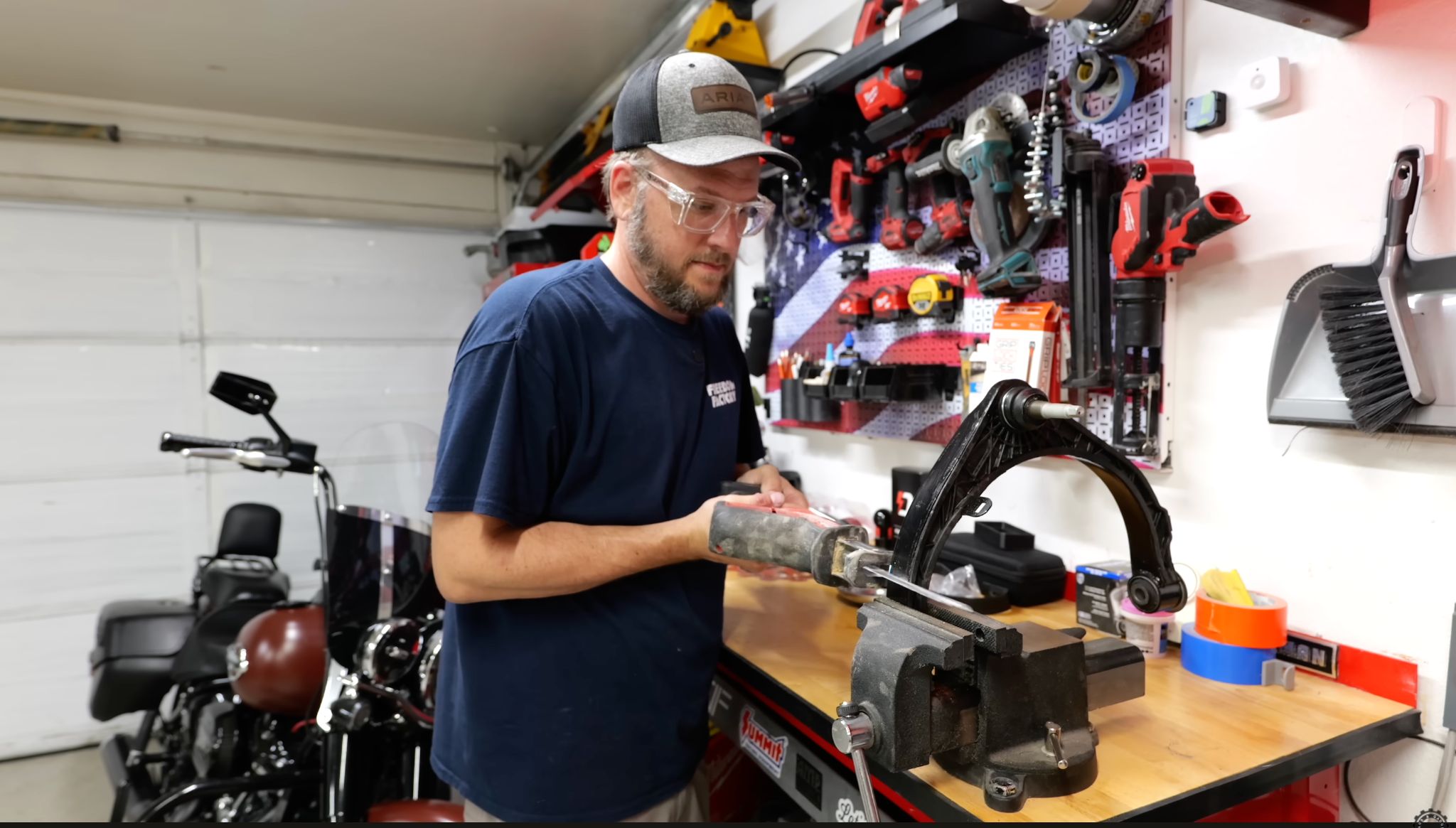
There was more steel than I expected
I expected something closer to a U-shaped metal shell filled with plastic. The sections I cut showed a boxed steel structure, hollow areas and molded material along the bottom. Around the ball-joint end, the steel was still a substantial part of the assembly. The exterior gave me a very different impression from the cross-section.
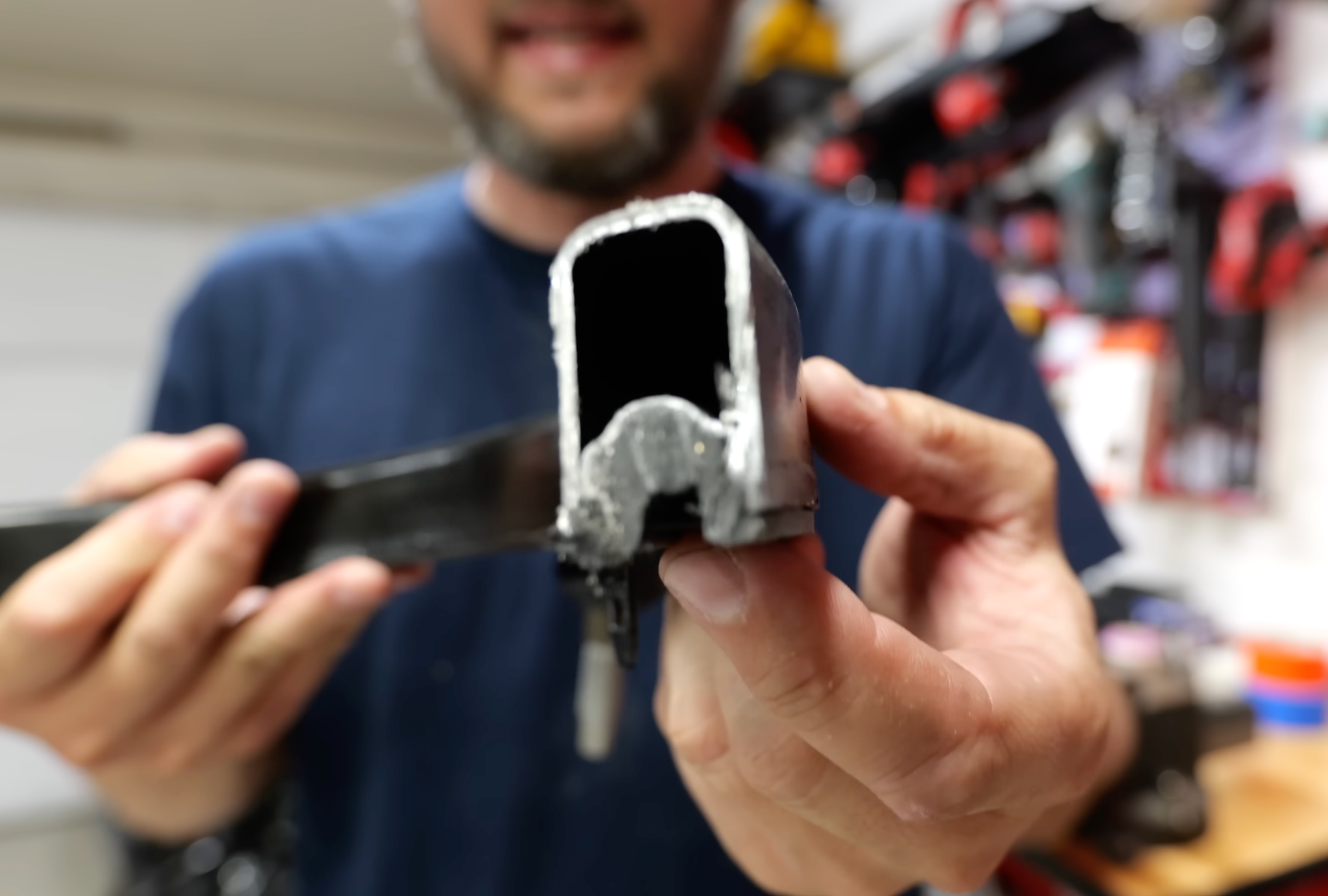
Mevotech’s technical comparison also describes the original assembly as stamped steel combined with molded plastic, with hollow areas in the arm. Mevotech sells a forged replacement and argues for its advantages, so its sales conclusion deserves that context. Its construction description still helps explain why calling the factory part simply plastic leaves out so much.
Looking cheap doesn’t establish what it costs
My initial suspicion was that this construction saved Ram money. That was a suspicion, not a manufacturing cost breakdown.
In a July 2025 response to The Drive, Ram said the steel-composite part cost more to manufacture than conventional steel or aluminum alternatives and was chosen for weight reduction. The company also said the design dated to the current-generation truck’s 2019-model-year launch. Those are Ram’s claims, reported by The Drive, rather than costs I independently verified.
I still think the part looks cheap from the outside. Cutting it apart gave me a reason to separate that reaction from what I could actually see. A cross-section would have made the explanation much more convincing from the beginning.
What I’d take from this as a buyer
One cut-open part can reveal construction. It can’t tell me fatigue life, long-term ball-joint wear or how every truck will hold up. Those questions need testing and service evidence beyond a reciprocating saw on a workbench.
If you’re choosing a truck or deciding whether to replace its arms, ask what problem you’re solving. Is there diagnosed wear or damage? Does a proposed suspension change require a different part? What fitment, maintenance and warranty information comes with the replacement? Buying something that looks more substantial is a weak substitute for getting those answers.
My teardown didn’t turn me into a salesman for this design. It did make me less bothered by it. There was more to the part than its appearance suggested, and I’d rather show that than keep defending my first impression.