
ABOUT
How I Got Here
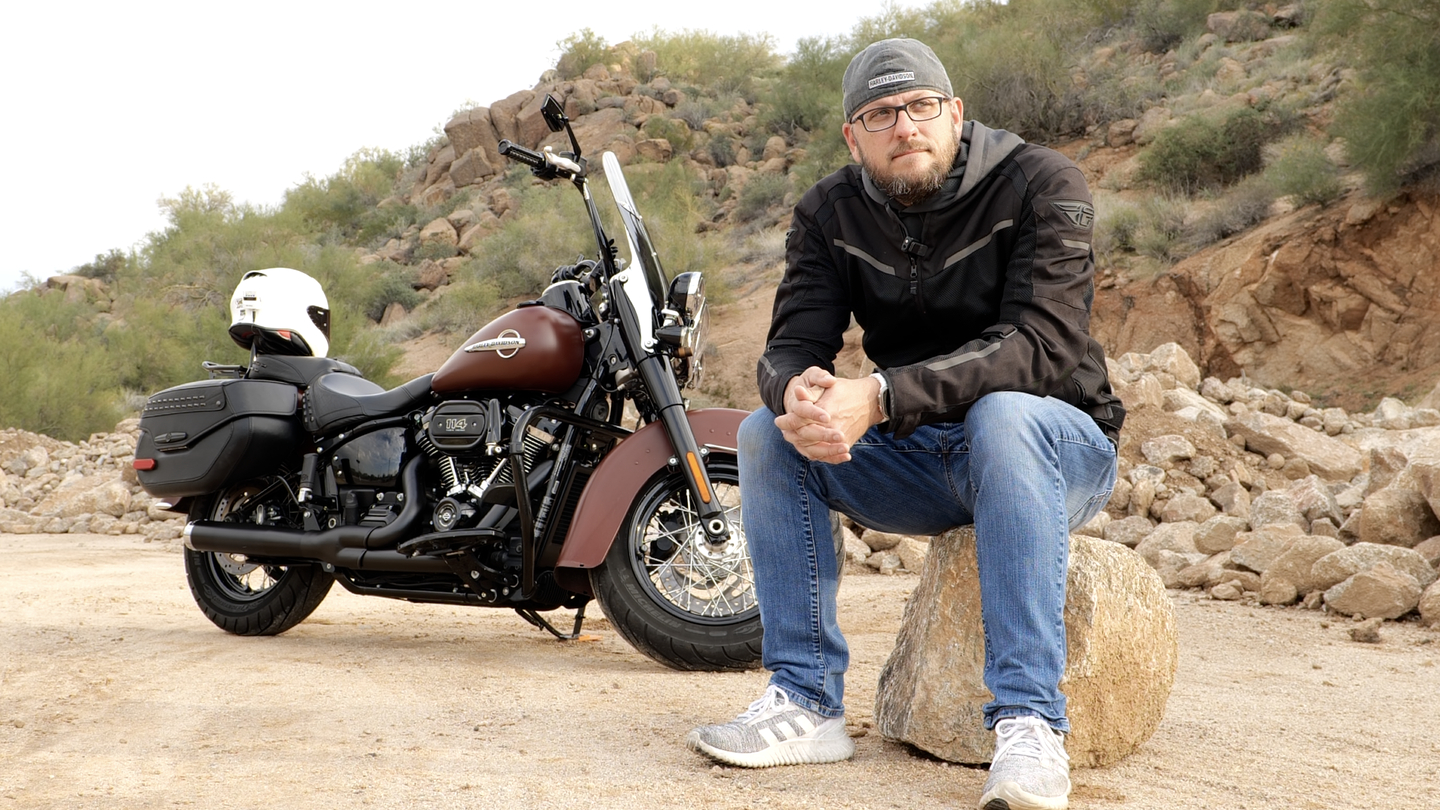
My name is Dan. Gears & Gadgets is a reflection of who I am, how I got here, and what I genuinely care about. This page exists so you can understand the person behind the content, not just the content itself.
I have always been drawn to cars, trucks, motorcycles, and motorsports. Long before careers, titles, or responsibilities entered the picture, weekends were often spent in the driveway with my father fixing whatever vehicle he relied on just to get by. I helped where I could, learned by watching, and absorbed how mechanical things come apart and go back together, sometimes more than once because the first attempt was not actually how it went back together. That early exposure shaped how I still approach things today, with curiosity, patience, and respect for how things work.
Like a lot of people, some of those passions took a back seat as adulthood set in. Responsibility, career, and the need to provide became the priority. Interests were set aside out of necessity. Forks in the road were chosen less for passion and more for survival and stability.
I spent over 20 years in construction, starting as a truck driver and eventually managing multi-million-dollar projects. That time built a deep respect for blue-collar America and for the people who design, build, haul, fix, and maintain the infrastructure this country depends on every day. It also shaped how I evaluate vehicles, tools, and technology in a practical and honest way, based on what actually holds up in real use rather than what looks good on paper.
In 2014, something shifted while I was standing in the living room of my 400 sq ft apartment watching a Good Morning America segment featuring SaabKyle04 . Hearing that YouTube was paying him well simply for making videos about cars he loved nearly blew my mind. He was 23 at the time, and I was already a decade into my career. It was not the money that stuck with me. It was the realization that doing something you genuinely cared about could open doors at a point in life when I felt like many of mine were closing.
YouTube still felt like something you had to get into early or miss altogether, but that idea stayed with me. So about ten years ago, I picked up a camera with a simple goal. I wanted to become a better communicator. I wanted to explain ideas clearly, connect more effectively, and create opportunities wherever the road led.
Around that same time, Casey Neistat’s daily vlog series began in 2015 and completely changed how I viewed content creation. Watching someone show up day after day reframed YouTube as something built on consistency, effort, and honest storytelling.
So I kept learning. Content creation sharpened how I thought and helped me translate real-world experience into something others could understand and apply, with each video becoming a little better than the last.
Over time, the skills I developed through YouTube carried me from construction project management into construction technology. What began as content creation turned into real-world impact. I brought my personal drone into the office to demonstrate the value of aerial surveying, earned my FAA Part 107 certification, launched a drone program, and expanded into LiDAR scanning. All of it grew from learning how to turn ideas into clear, visually consumable value.
I slowly became a technical resource for construction professionals who understood the industry because they lived it. What began as a focus on visual communication pulled me deeper into construction operations, where I discovered a genuine passion for process optimization rooted in people rather than systems.
I am people over process. Process should serve the people and the product. The product is simply the outcome of both being treated as a balanced and intentional partnership.
As I became more embedded in construction operations, eventually working for a large, global construction technology company, I noticed a growing disconnect between much of the marketing content being produced and the people actually using the products in the industry. Too often, it existed to satisfy internal marketing goals and reinforce corporate confirmation bias, circulating mainly within the company itself rather than reaching or resonating with the people doing the work (this is a big tech thing).
That experience sharpened my perspective on content as a whole. Watching how disconnected messaging failed to land in my professional world pushed me to be more intentional with my own work. At the same time, creating content on YouTube helped my career grow by improving how I communicated, explained ideas, and connected with people across the industry.
In turn, what I observed in my career fed directly back into the channel. Real-world experience shaped what I chose to cover, how I talked about it, and why honesty mattered more than polish. The channel became more organic because it was informed by lived experience, not marketing strategy.
When content is rooted in real use and real experience, the product earns its place naturally. That is when content becomes more engaging to watch and more rewarding to create because it is real, not a manufactured storyline.
Content creation brought me back to a more grounded and authentic version of my childhood self. It pulled me back toward the things that originally lit me up, cars, motorcycles, motorsports, and figuring out how things work. Those interests never disappeared. They were buried under responsibility for a while.
Making content gave them room to exist again, this time with adult perspective, real standards, and real consequences. It also gave me a way to speak directly to people making real ownership decisions with their own money.
Gears & Gadgets grew naturally out of that process. It exists for people who value honesty over hype.
I resonate deeply with blue-collar America. While content creation sometimes involves higher-end trims and top-tier equipment, I never lose sight of the fact that most people are working hard to afford what makes sense for their lives. I will never forget where I started or who this work is ultimately for.